
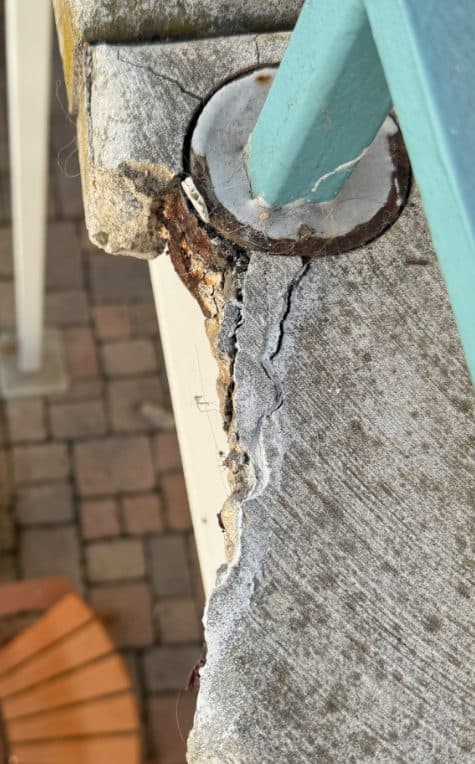
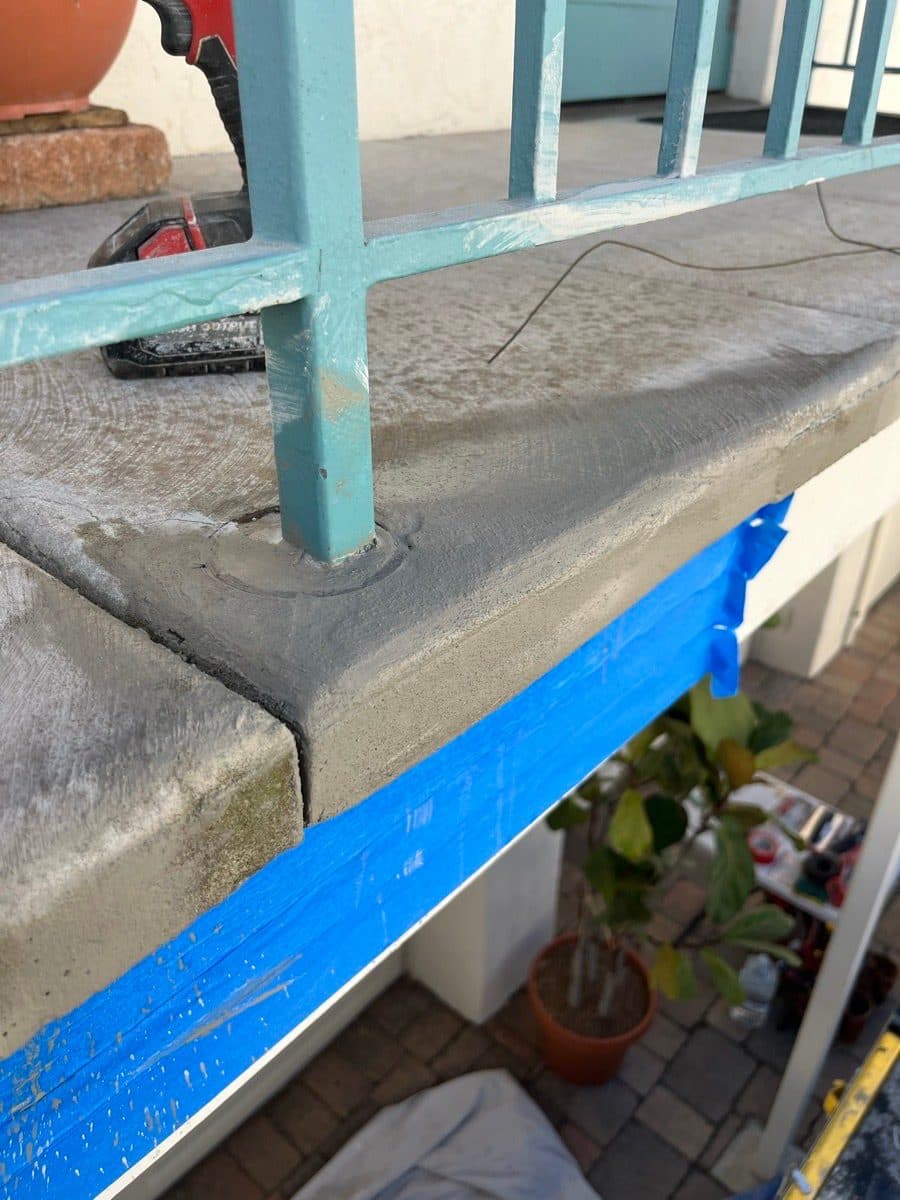
Balcony-edge blowout repair
A broken concrete edge near a railing post, followed by the patched balcony edge after repair work.
Concrete Repair Contractor | San Diego County
Cracks, spalling, broken steps, damaged walkways, or trip hazards? All World Construction LLC handles repair-focused concrete work for homes, HOAs, and managed properties across San Diego County. Send project details so we can help confirm whether repair, partial replacement, or a site evaluation is the right next step.
Have photos? Text one wide photo, close-ups, and a tape-measure photo directly to Austin after submitting the basic project information.
Balcony edges, stair corners, concrete cracks, and trip hazards. These owner-supplied photos show repair examples; the right scope for your property depends on its condition.
A broken concrete edge near a railing post, followed by the patched balcony edge after repair work.
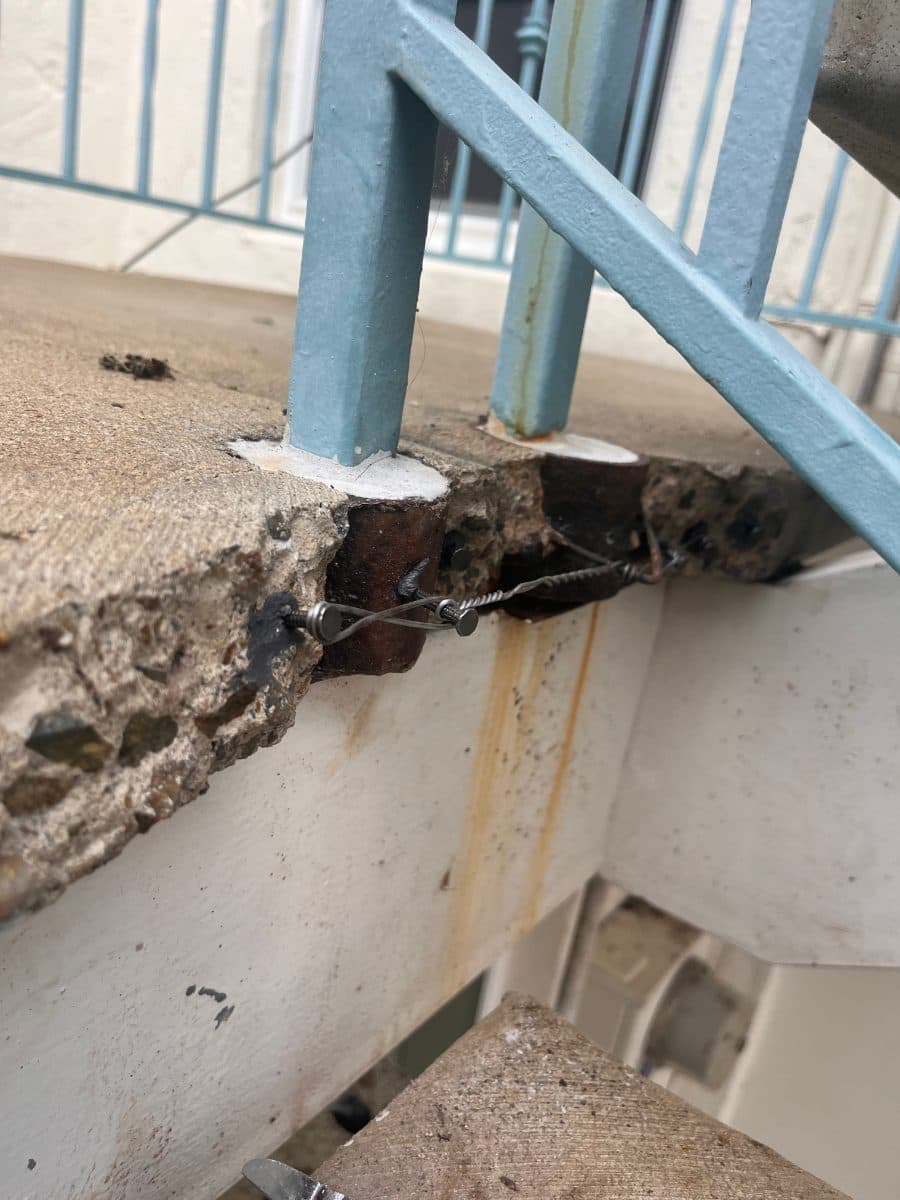
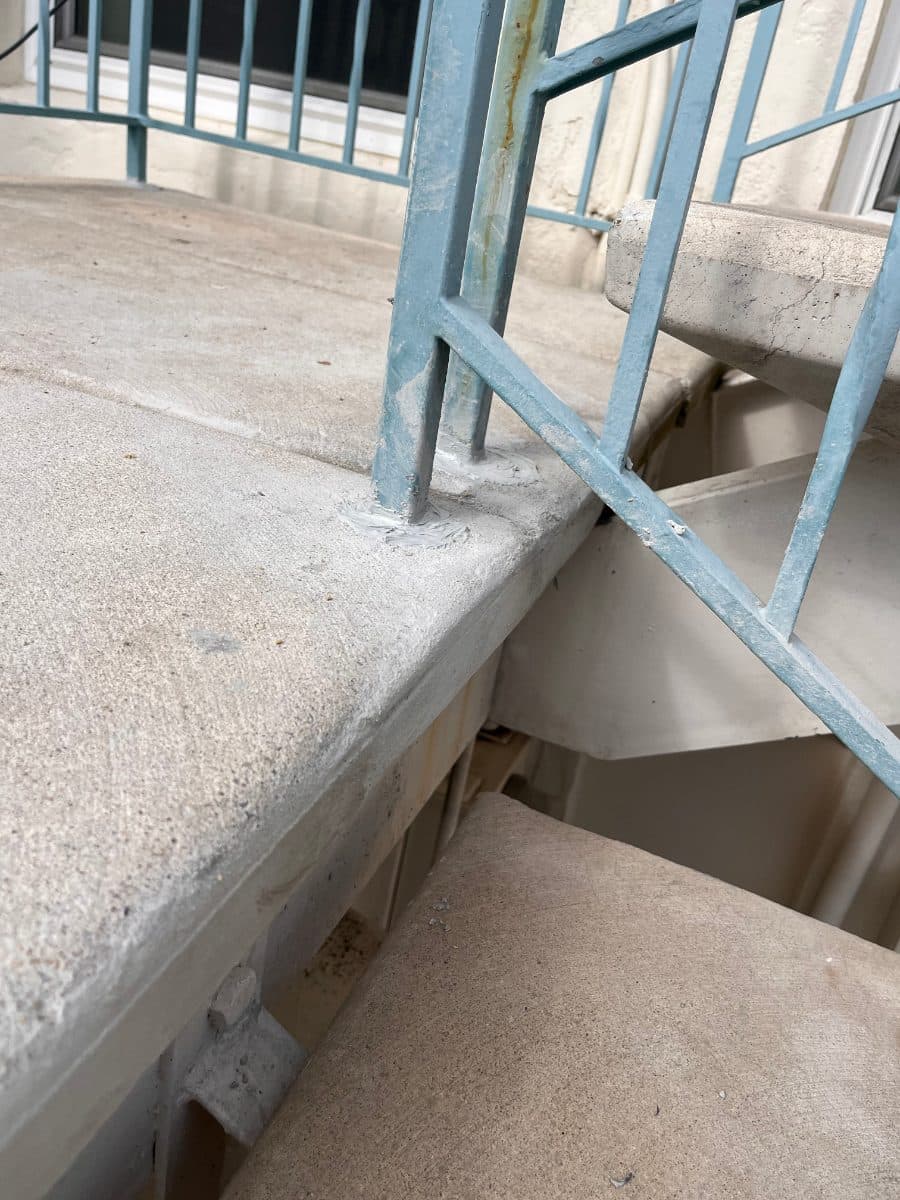
Exposed damaged concrete around railing posts, followed by a cleaned and patched walkway edge.
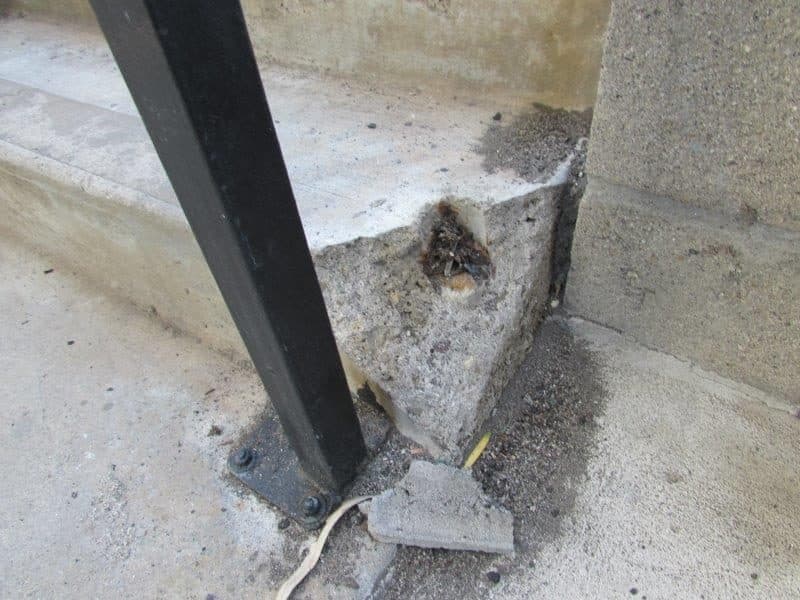
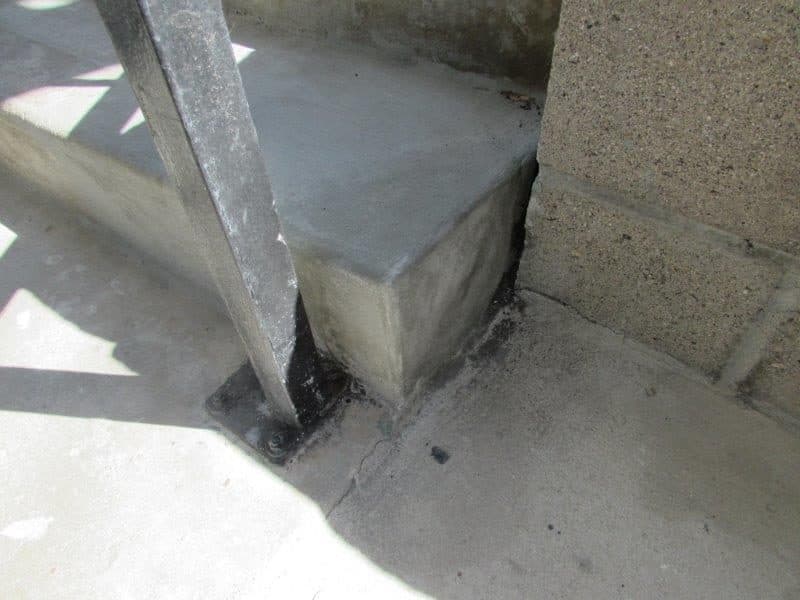
Broken stair corner near a railing post, then the rebuilt edge after forming and patch work.
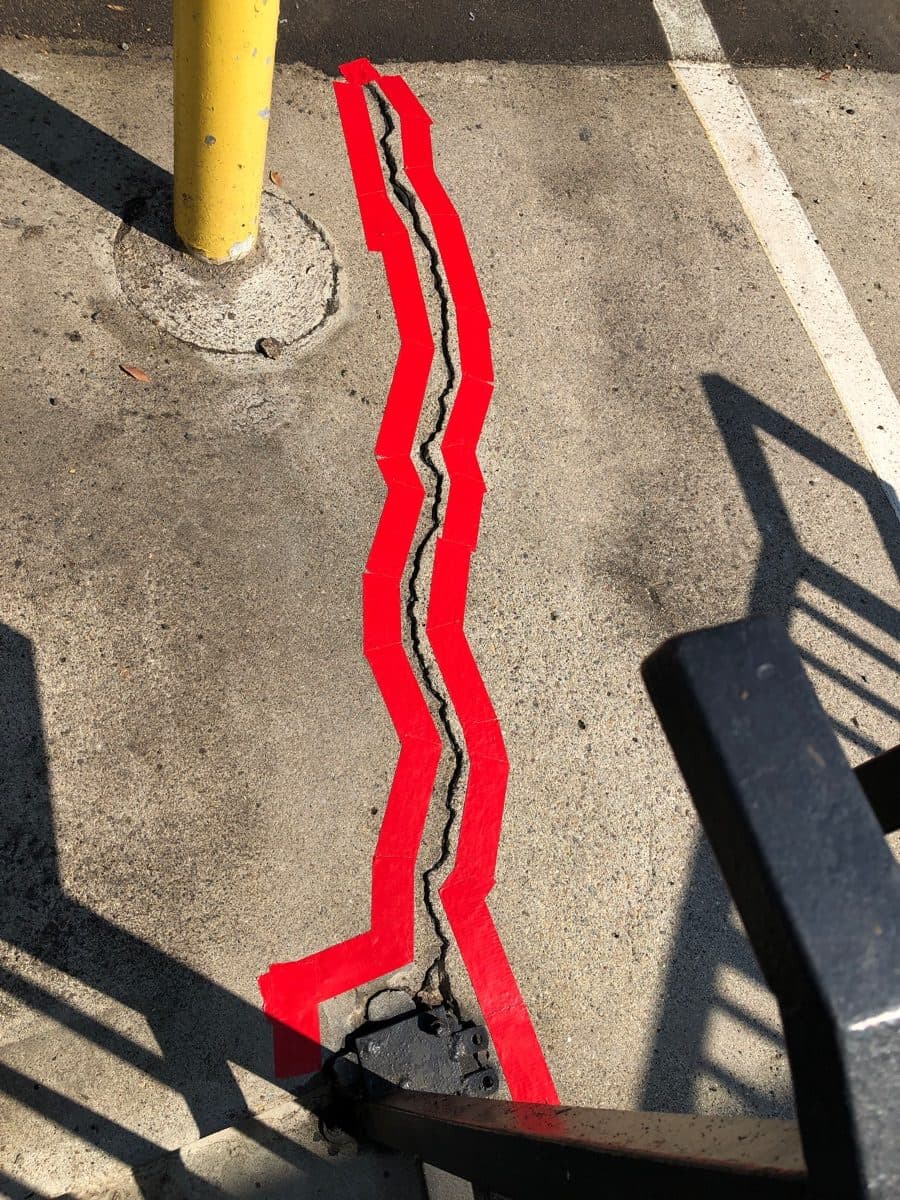
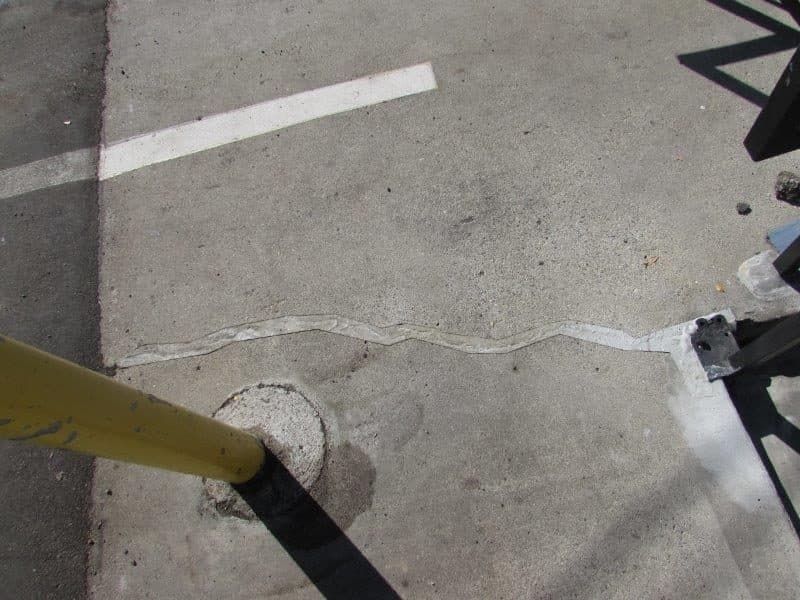
Open crack before repair, then a filled crack path to help limit water and debris when full replacement is not the selected scope.
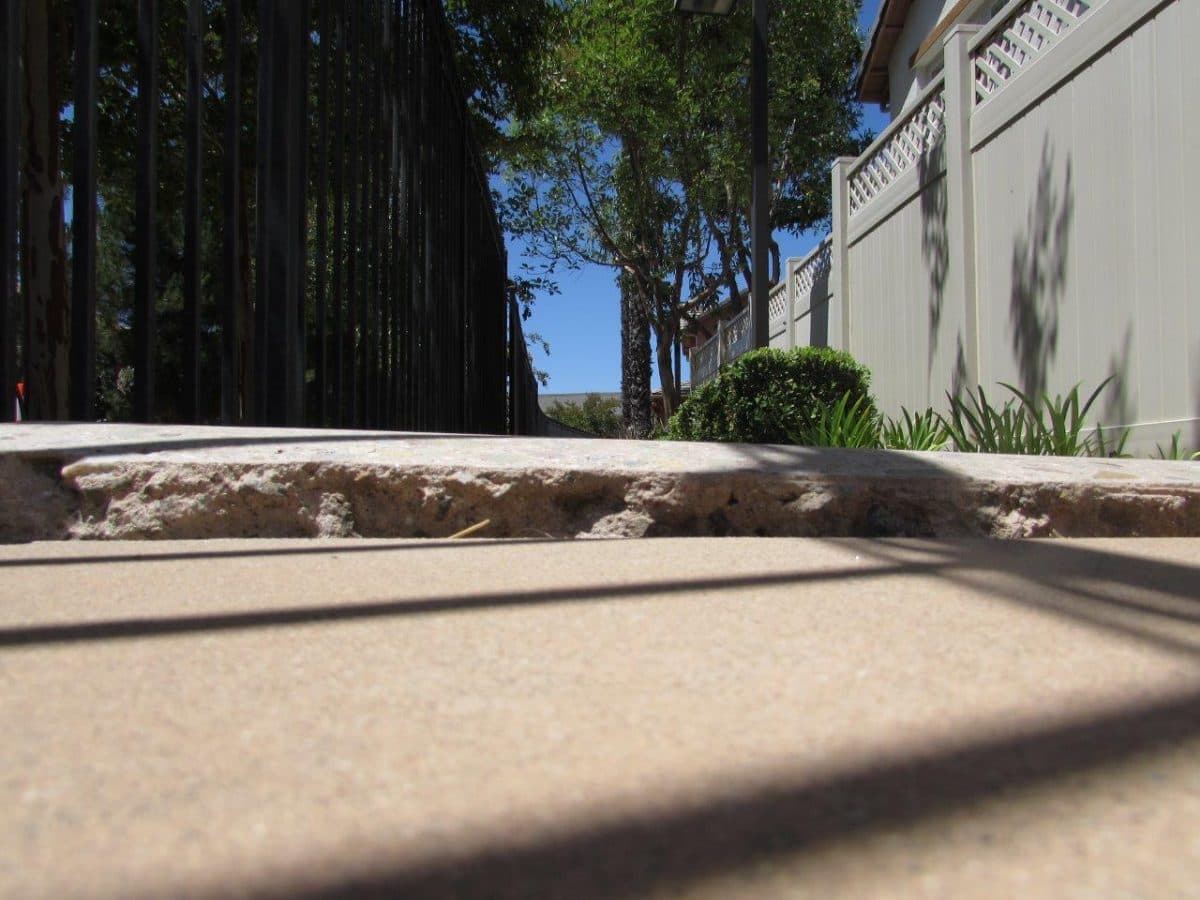
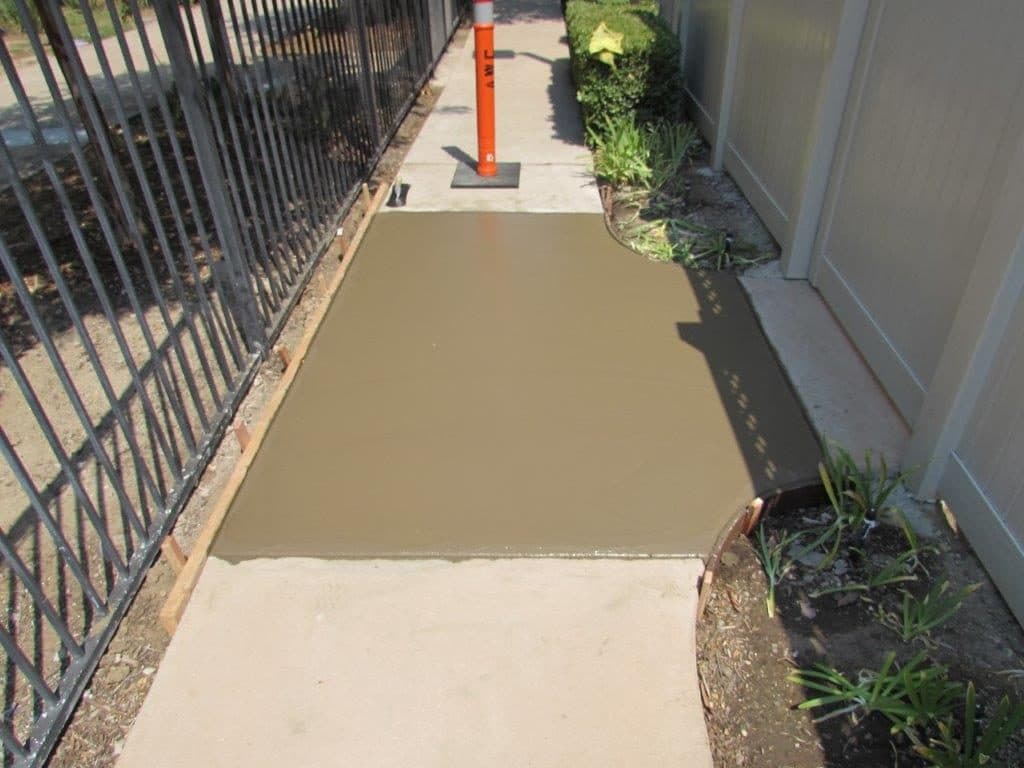
Raised walkway lip before removal, then a replaced concrete section finished flush with the surrounding path.
Choose the repair information that fits your property and approval process.
Cracked steps, broken edges, patio damage, driveway sections, walkways, or surface deterioration.
Review My Concrete DamageTenant-occupied repairs, turnover lists, trip hazards, damaged common areas, access coordination, and documented completion.
Send a Property Repair RequestMultiple locations, common-area walkways, stairs, landings, railing-post damage, drainage, approvals, and documentation.
Request an HOA / Multifamily ReviewThe owner does not know whether grinding, patching, partial replacement, or broader replacement makes sense.
Help Me Choose the Right Repair PathCracks, spalling, exposed steel, broken edges, uneven walking surfaces, and water-related damage usually become harder to address when the condition keeps moving or taking on water. The right repair depends on what remains sound, what caused the failure, and how the area is used. Covering the surface without addressing those conditions can lead to another failed patch.
See common damage, repair considerations, and the photos that help us assess each type of request.
Spalling repair starts with finding what concrete is still sound, then selecting a repair path that matches the depth, water exposure, reinforcement, finish, and use of the area.
Localized blowouts usually need more than a surface patch because posts, fasteners, water, rust expansion, impact, or prior repairs may be part of the failure.
Concrete damage around a railing post can involve the concrete, the post, water paths, sealant, waterproofing, coating, and safe access.
Step and stair repair must account for safe walking surfaces, broken nosings, drainage, coatings, geometry, and whether individual areas can be repaired or need rebuilding.
Walkway repair may involve grinding, patching, partial replacement, or broader replacement depending on movement, height change, remaining thickness, roots, drainage, and surrounding path conditions.
Patio repairs often cross into drainage, planters, irrigation, slab-to-wall transitions, coating, and finish matching, so the repair should fit the surrounding conditions.
Localized driveway damage and small-to-mid-size slab sections can be reviewed when the request is repair-focused rather than high-volume new driveway installation.
Water-related concrete damage should be reviewed with the surrounding drainage path, thresholds, joints, walls, drains, landscaping, waterproofing, and post penetrations in mind.
Concrete damage should be repaired based on why it failed, not covered with another guess. Localized repair, grinding, partial replacement, or broader replacement can each be right in the right condition.
See concrete blowout, stair repair, and repair-process footage. Select a video to watch.
Concrete blowout repair video
Field video showing a localized concrete blowout condition. Final repair decisions still depend on field review and the approved written scope.
Open repair video on YouTubeCracked stairs concrete repair video
Field video showing cracked stair concrete. It supports the written explanation but does not replace a site-specific scope.
Open repair video on YouTubeConcrete repair process video
Process video for concrete repair review and documentation. The approved scope may vary by damage depth, access, water, reinforcement, and finish conditions.
Open repair video on YouTubeOccupied-property access, tenant or onsite contacts, turnover lists, vendor coordination, approval contacts, written scopes, change orders, and documented closeout notes.
Property management repair intakeCommon-area stairs, landings, walkways, patios, balcony edges, railings, pool-area concrete, site walks, location schedules, phased access, and documentation for owner files.
HOA / multifamily reviewConcrete damage at balcony edges or railing posts may need coordinated waterproofing or framing repairs. See San Diego Balcony Repair for related balcony, deck, and elevated-walkway repair information.
The Site Evaluation + Written Bid Package can include a site visit, photographs, measurements, review of visible conditions, repair-path development, material and access considerations, labor planning, and a written proposal.
The $250 is credited back if the construction project is approved within 30 days.
Learn when the paid evaluation appliesSend one wide photo showing the whole area, two or more close-ups, one tape-measure or ruler photo, and any photo that shows water flow, railing posts, walls, steps, adjacent finishes, or prior patches.
Some small, clearly defined repairs can be screened from photos. Photo review confirms project fit and next step; it is not a detailed diagnosis, engineering opinion, binding price, or written bid.
A paid evaluation is usually appropriate for multiple damaged areas, HOA or property-manager work, exposed reinforcement, railing-post damage, repeated failed patches, drainage concerns, occupied-property coordination, or any condition that cannot be responsibly scoped from photos.
Yes. The $250 is credited back if the construction project is approved within 30 days. The credit appears as Site Evaluation + Written Bid Package Credit: -$250.
The $250 covers evaluation and proposal-preparation time. It does not guarantee that every condition can be repaired, and the written scope controls any approved construction work.
Often, but the right repair depends on movement, depth, surrounding concrete, reinforcement, drainage, use, and finish expectations. Some cracks are better handled with partial replacement or broader repair.
Spalling can come from water exposure, corrosion expansion around steel, poor prior repairs, weak surface material, impact, freeze-thaw in some settings, or other site conditions. The visible surface does not always show the full depth of unsound concrete.
Embedded posts and fasteners can create water paths. Corrosion, movement, impact, insufficient concrete cover, or poor previous repairs can expand the area and break the surrounding concrete.
Many trip hazards can be reviewed for grinding, patching, partial replacement, or broader replacement. The practical choice depends on height difference, thickness, movement, roots or soil, drainage, reinforcement, finish, and path conditions.
That depends on the extent and depth of damage, whether the remaining concrete is sound, active movement, water, reinforcement, load, access, finish matching, and whether repeated patching would cost more than a broader fix.
Photo-first review
Have photos? Submit the basic project information, then text the photos and property address directly to Austin at 619-327-9513.
Work subject to attached T&C if approved. Hidden damage, code issues, access problems, or owner changes may require a written change order.